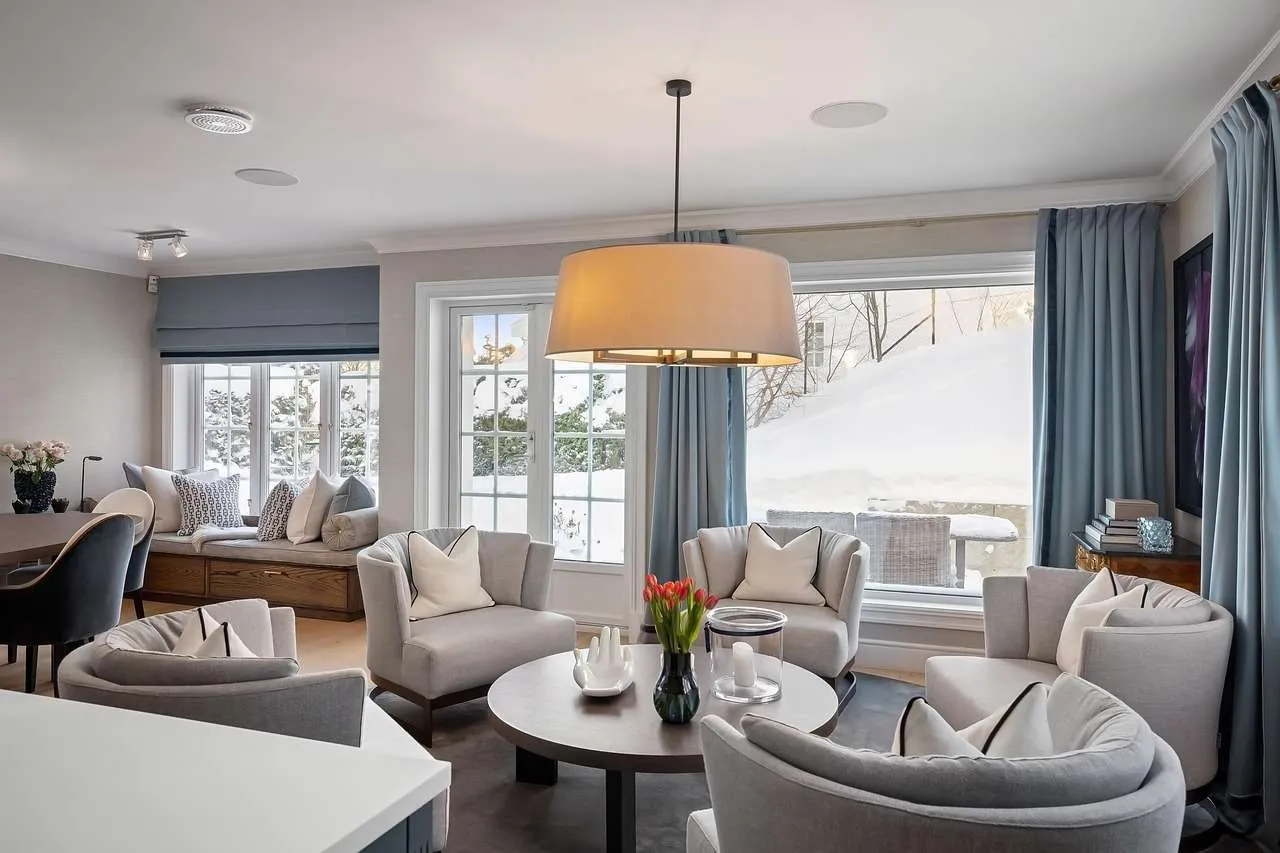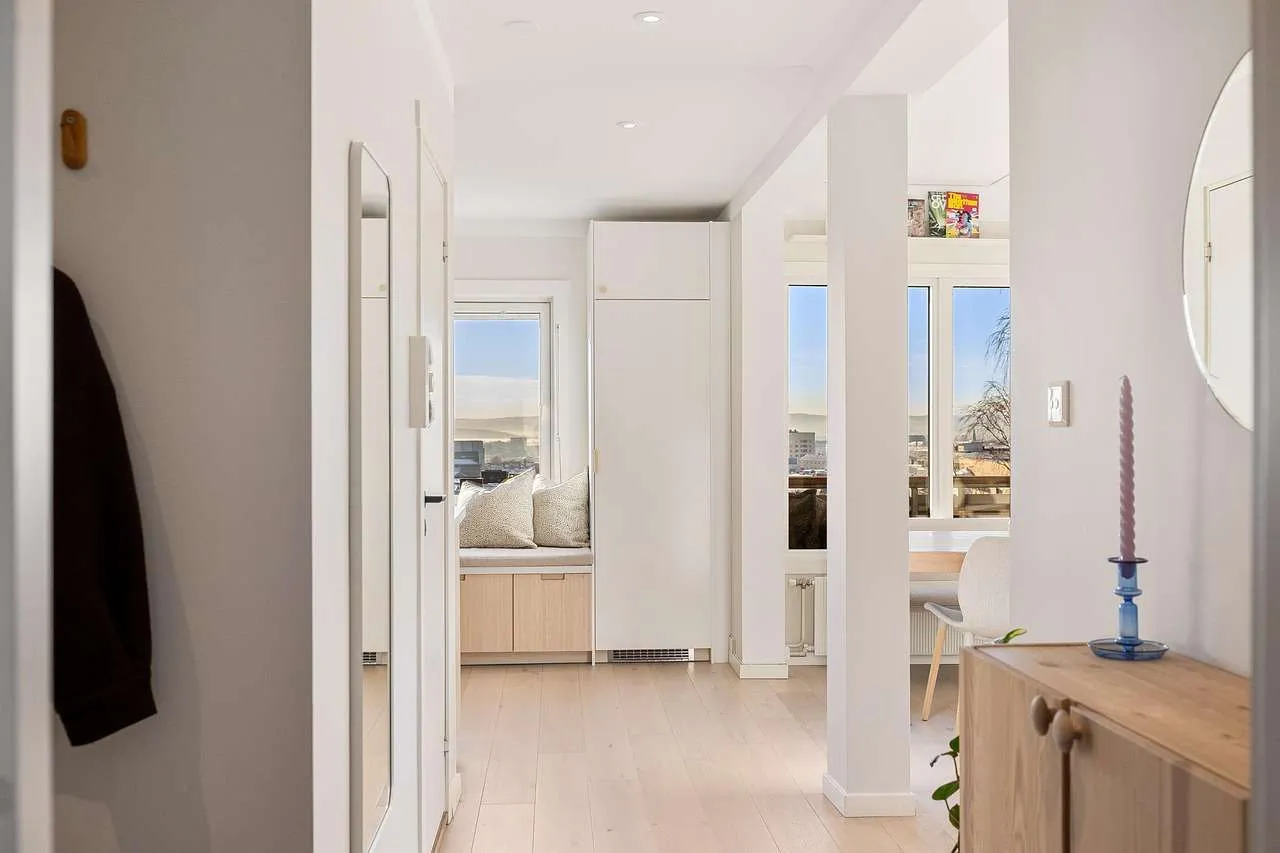
Home window tinting is a strategic home improvement that enhances comfort, privacy, and energy efficiency. Modern window films block heat and UV rays while preserving visibility. This guide explains how tinting works, what to consider when choosing a film, and how to hire a reputable installer to meet EEAT standards of experience, expertise, authority, and trust.
What is Home Window Tinting?
Home window tinting involves applying a thin film to the interior surface of glass. The film reduces solar heat gain, blocks UV radiation, and lowers glare. Unlike blinds or shades, tinting is a permanent modification that works with the existing glass to improve comfort across seasons. When installed by a trained technician, it provides a clean look and long-lasting performance.
Benefits of Home Window Tinting
- UV protection: Most films block up to 99% of UV rays, safeguarding furnishings and reducing skin exposure.
- Energy efficiency: Heat rejection lowers cooling loads, potentially reducing monthly energy bills and improving indoor comfort.
- Privacy and glare reduction: Tints improve daytime privacy and reduce glare on screens without sacrificing exterior views.
- Safety and security: Some films hold glass together if shattered, adding a modest layer of protection against break-ins and flying shards.
Types of Window Tint for Homes
Dyed films
Overview: A budget-friendly option with solid color and heat reduction. Pros include low cost and quick installation; cons include potential fading over time and less effective heat rejection than modern films.
Metalized films
Overview: These films incorporate metal particles for strong heat rejection and glare control. Pros include high performance; cons include possible interference with electronics and door/window signaling, plus reflective appearance in some lighting.
Ceramic films
Overview: High-performance, non-metallic films that offer excellent heat rejection and clarity. Pros include strong durability and minimal interference with electronics; cons include higher upfront cost.
Hybrid and carbon films
Overview: Hybrid blends and carbon-based films balance heat rejection with visual clarity and lower reflectivity. Pros include durable performance and stable appearance; cons include mid-to-high price ranges.
How to Choose Tint and Installer
Legal and HOA considerations
Check local laws for permissible tint darkness on front windows and driver-side panes. Homeowners associations may have additional rules about appearance. Choosing a compliant film avoids post-install disputes and fines.
Key specifications to compare
Focus on visible light transmission (VLT), UV rejection, glare reduction, and infrared heat rejection. Also review fade resistance, spark-free edges, and warranty coverage. A reputable installer will provide a written specification sheet and warranty terms.
Trust and installation quality
Look for installers with manufacturer certifications, proper licensing where required, and strong customer reviews. Ask for before-and-after photos, proof of warranty, and a written estimate. High-quality installations emphasize precise edge sealing and clean, bubble-free film.
Installation Process Snapshot
- Consultation and goals: determine desired darkness, energy goals, and budget.
- Window preparation: professional cleaning and surface preparation to ensure film adheres properly.
- Film cutting and application: precise measurement, squeegeeing, and edge sealing to avoid air pockets.
- Quality check and curing: final inspection, curing time, and warranty documentation.
Cost and Value
Costs depend on film type, window size, number of panes, and regional labor rates. Typical ranges per square foot include: basic dyed films, mid-range metalized or hybrid films, and premium ceramic or carbon films. While ceramic and carbon options cost more upfront, their higher heat rejection and longer lifespans can yield greater long-term value through energy savings, comfort, and protection of furnishings.
| Tint Type | Pros | Cons | Typical Cost per Sq Ft |
|---|---|---|---|
| Dyed | Affordable; good color; simple installation | May fade; moderate heat rejection | $5–$8 |
| Metalized | Strong heat rejection; excellent glare control | Possible electronics interference; reflective | $6–$9 |
| Ceramic | Best heat rejection; clear view; non-metallic | Higher upfront cost | $10–$15 |
| Hybrid | Balanced performance; less interference | Moderate price | $7–$12 |
| Carbon | Dark appearance without metallic interference; durable | Higher cost | $9–$14 |
Maintenance Tips
- Avoid abrasive cleaners near edges to extend film life.
- Wipe with a microfiber cloth and mild soap; avoid ammonia-based cleaners on some films.
- Monitor for edge lifting or bubbling and contact the installer if warranty coverage applies.
Regular maintenance helps preserve clarity, UV protection, and the film’s appearance for years to come. Keep records of your installation and warranty for easy reference.
Conclusion
Conclusion, home window tinting offers UV protection, energy savings, privacy, and safety when you choose the right film and a qualified installer. By evaluating VLT, UV rejection, warranty, and local regulations, you can select a solution that enhances comfort and value while preserving the home’s view and style.